

Resting Well Is Longevity Too: K-Wellness in Korea | iipuda
Sep 2, 2026
Longevity in Korea doesn't start with the latest anti-aging program — it starts with everyday rest: walking well, eating well, sleeping well, and truly recovering.
Koreans have long practiced this through habits like Han River runs, jjimjilbang evenings, and mountain hikes, and travelers can experience the same restorative rhythm across Seoul's Gangnam, Myeongdong, and Seongsu, as well as Korea's forests, temples, and coastlines in Gangwon, Busan, and Jeju.
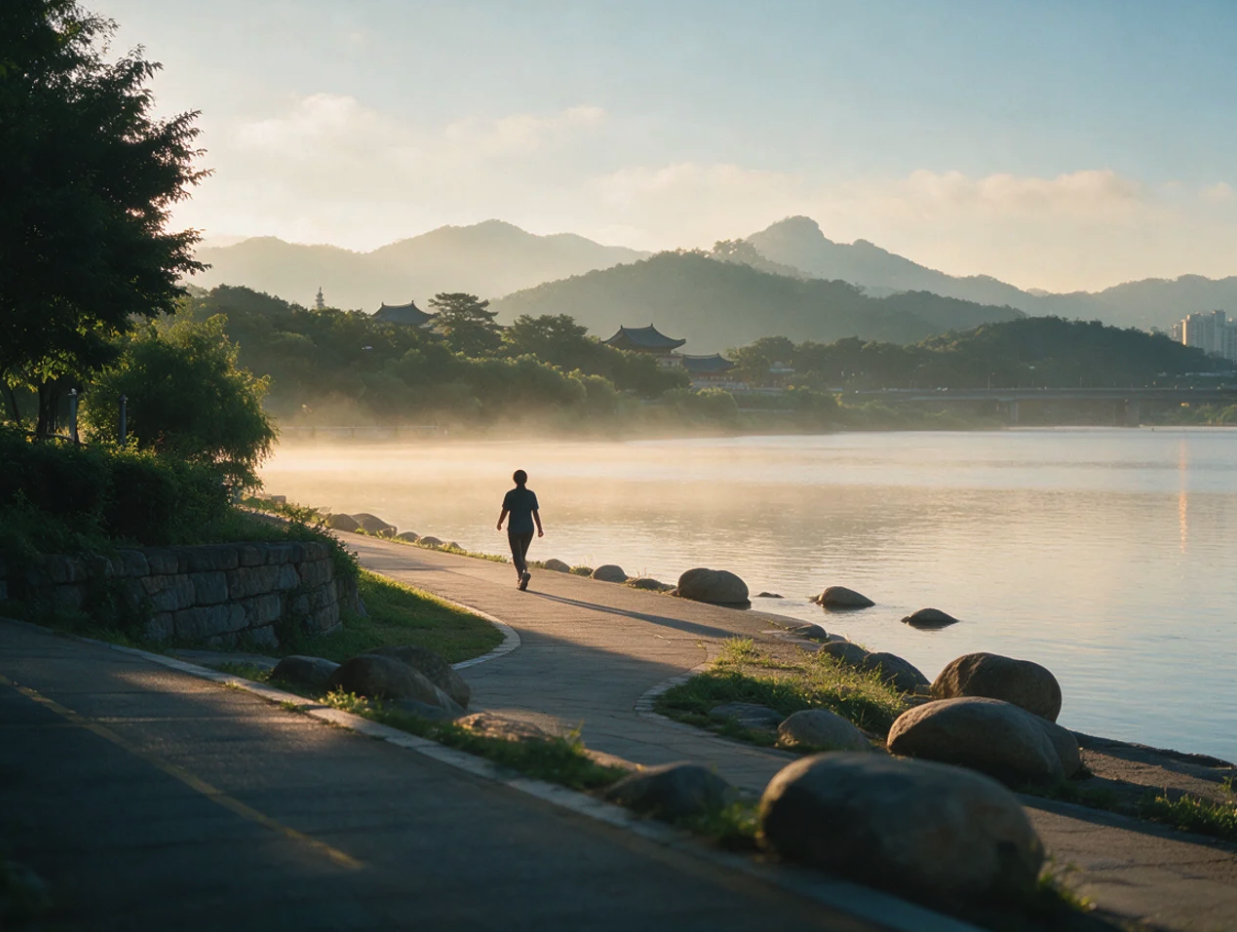
Everyday K-Wellness in Korea — The Simplest Way to Live Long and Healthily
In our last story, we asked: "What do you want to protect over the next ten years?"
Good skin. Strong stamina. A body that sleeps deeply. The health to keep traveling with the people you love. But to protect these for the long run, what should we do today? Get more checkups, add more supplements, try the latest anti-aging trend?
Longevity starts somewhere far more ordinary. Walking well. Eating well. Sleeping well. Resting properly. That's it.
Koreans have been living this all along — dawn soccer games, early morning hikes, Han River runs after work, weekend hours at the jjimjilbang. Long before "Wellness" became a trend. What's routine to us becomes a special experience for travelers.
Two speeds of K-Wellness
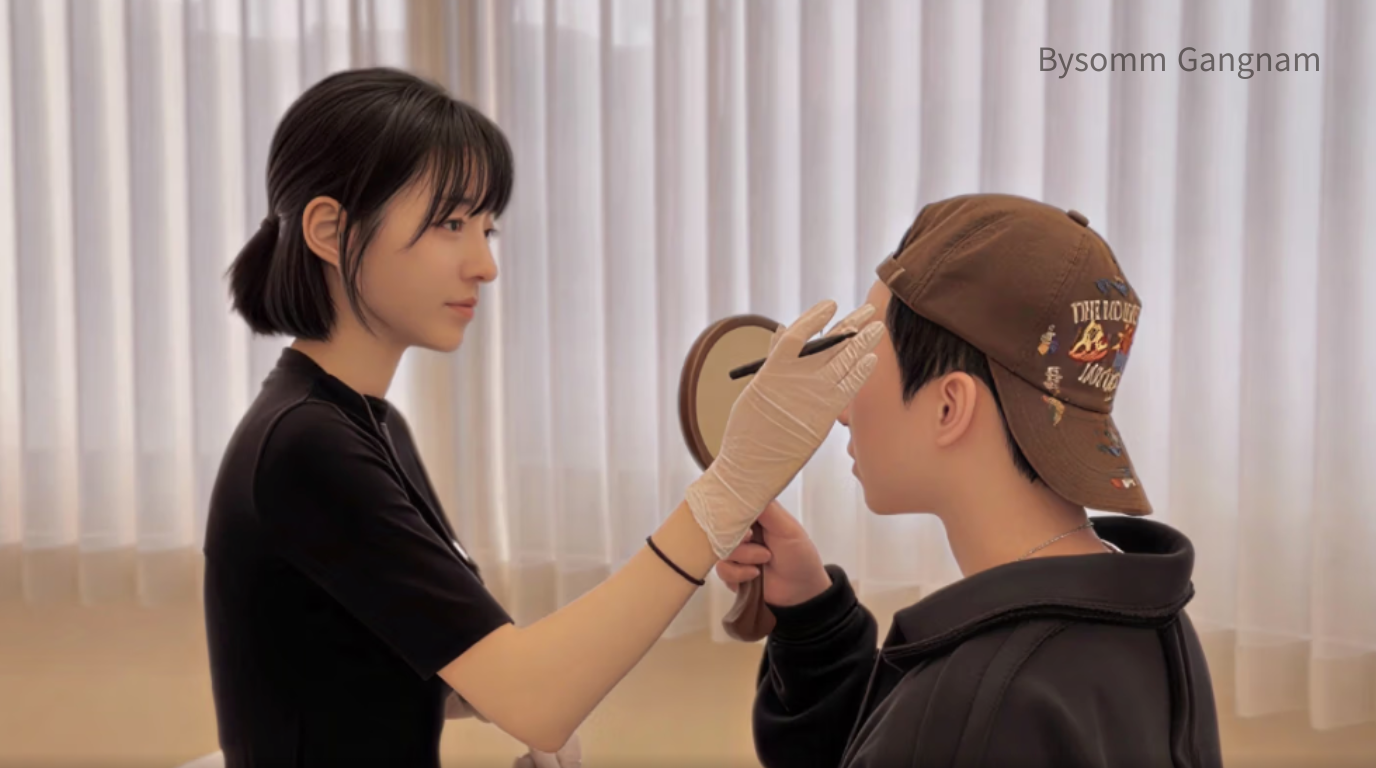
The K-Wellness first-time visitors encounter is urban: precise skincare in Gangnam, K-Beauty in Myeongdong, lifestyle spaces in Seongsu. This is probably the K-Wellness the world is watching most closely right now.
But give your trip a little more room, and another speed emerges — a mountain on the city's edge, a quiet temple stay, the forests of Gangwon, the sea of Busan, the oreum of Jeju. Old wellness, following the body's own rhythm.
Fast and urban. Slow and restorative. Korea is a rare place to experience both in a single trip.
Do we always have to add more to get healthy?
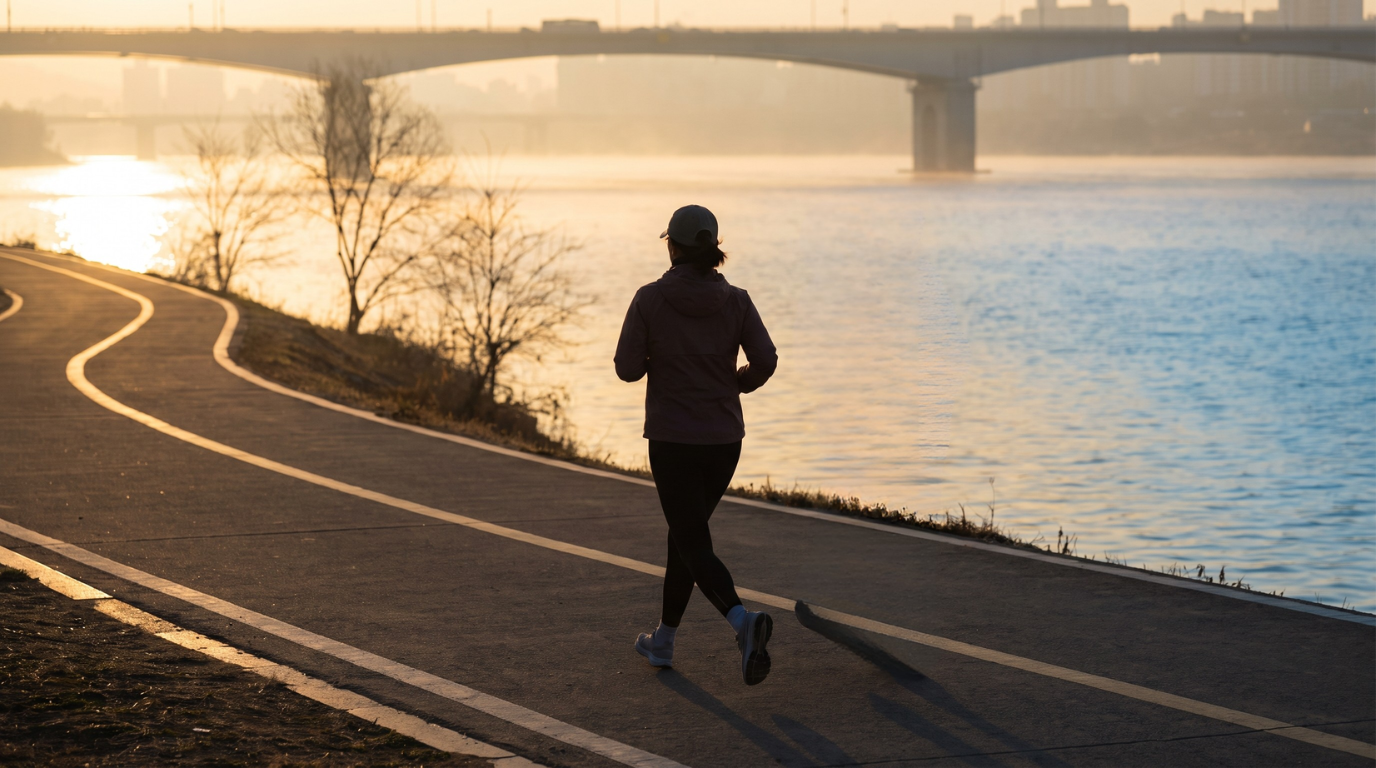
We tend to think of health as addition — one more workout, one more supplement, one more test. But the body and mind also need time to empty out.
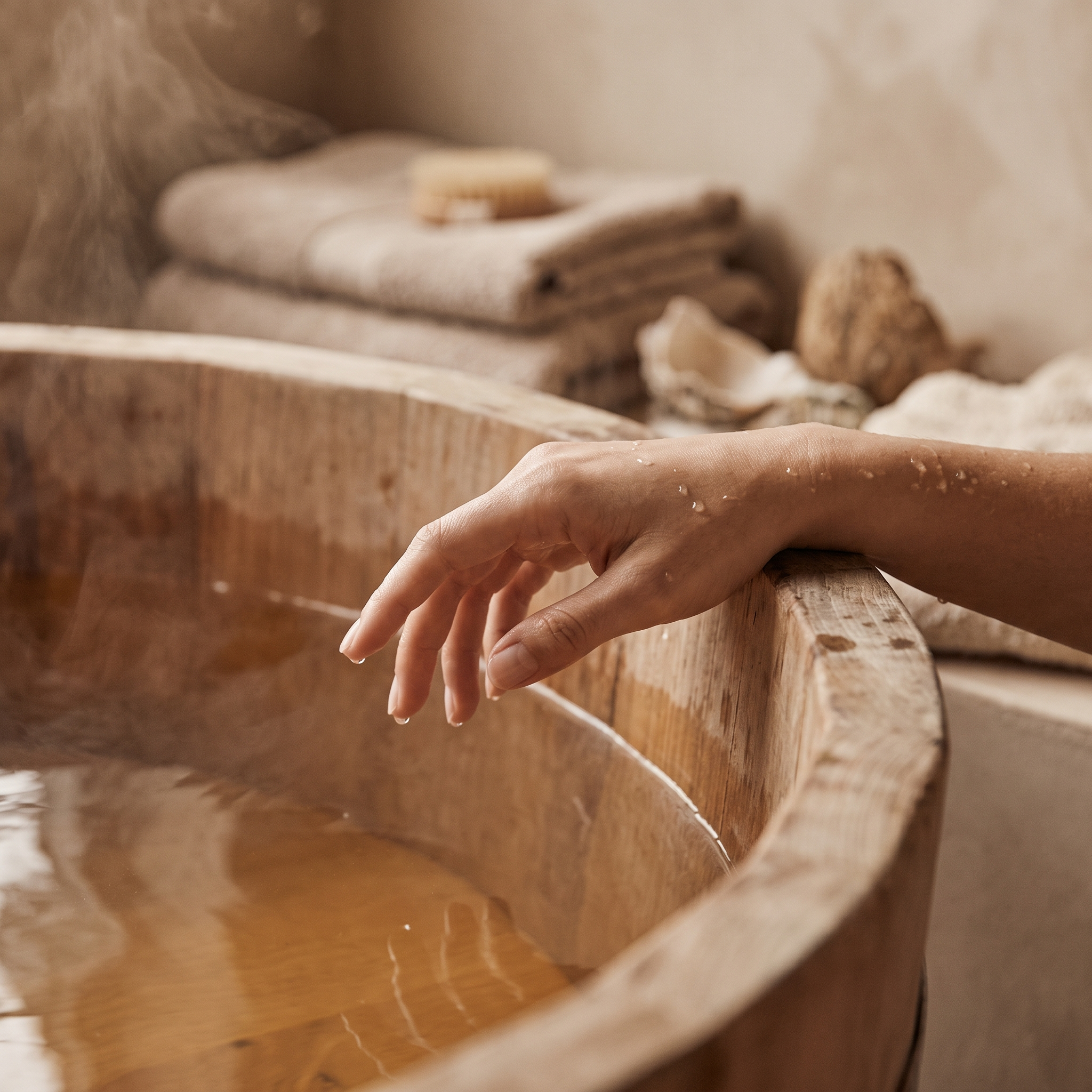
After a long flight, sleeping early may beat squeezing in one more sight. After a full day in Seoul, soaking in warm water can be truer rest than an evening itinerary. A morning walk by the Han River, a good lunch, an afternoon doing nothing at a café — that's enough.
The body doesn't improve from stimulation alone. It holds a good state longer when it's allowed to fully recover.
What matters isn't how much — it's what state you return to
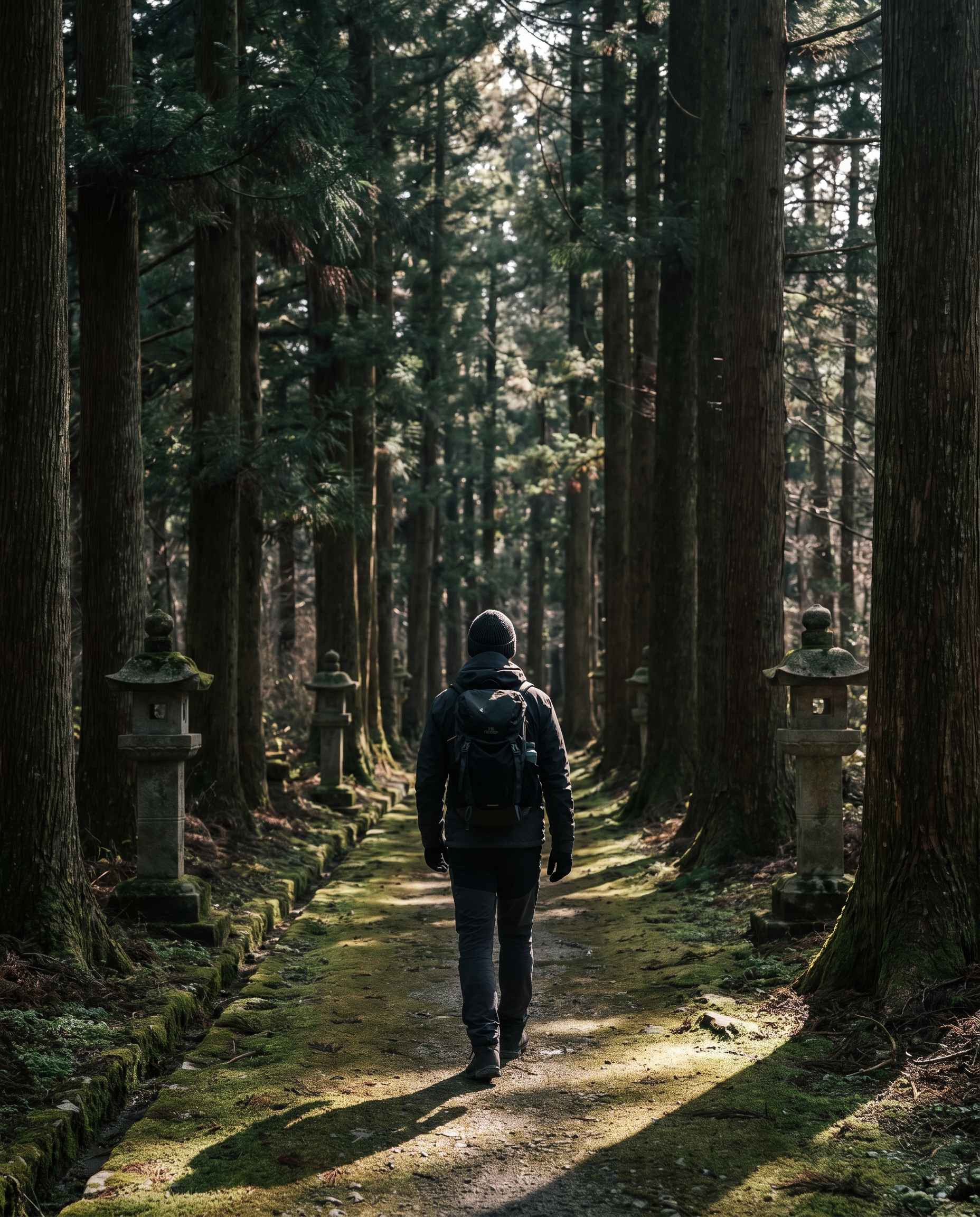
K-Wellness doesn't need to be the name of a special program. It might be an hour of skincare, a morning run by the Han River, or an evening at the jjimjilbang.
What matters isn't how many programs you tried. It's the state your body and mind are in when the trip ends. If you're sleeping a little better, feeling a little lighter, or you've found a rest you'd forgotten — that's a good trip.
Last time, we asked what you want to protect. This time: "To protect it, what do I need to recover from right now?"
Fatigue. Stress. A body that's sat too long. A life that hasn't paused. Longevity isn't a distant story. Walking well, eating well, sleeping well, pausing when you need to — that's where it begins.
Resting well is Longevity, too.
Q: What is K-Wellness? A: K-Wellness refers to Korea's approach to health and beauty, ranging from urban experiences like dermatology in Gangnam and K-Beauty in Myeongdong, to natural recovery practices like temple stays, forest walks, and jjimjilbang.
Q: Is Longevity just about medical treatments and supplements? A: No. Longevity starts with ordinary daily habits — walking, eating well, sleeping well, and resting properly — rather than only tests, supplements, or programs.
Q: Where can I experience K-Wellness in Korea beyond Seoul? A: Beyond Seoul's urban wellness scene, travelers can find restorative wellness in Gangwon's forests, Busan's coastline, and Jeju's oreum trails.


